
How the Forgotten Beginning Continues to Organize Who We Think We Are
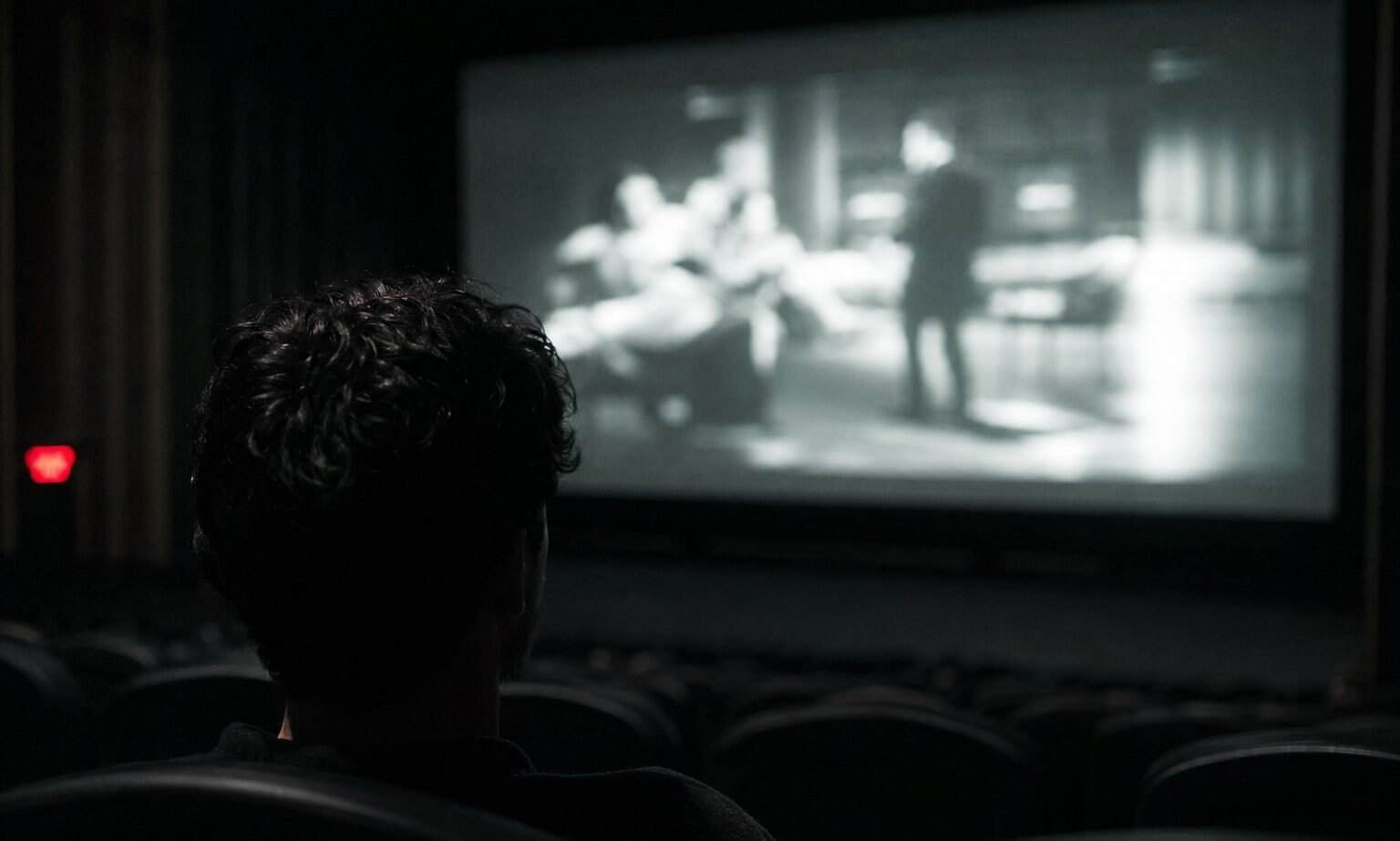
Imagine waking halfway through a film. You have some sense of what is happening because you were half awake during the earlier scenes. Certain characters seem trustworthy, others dangerous; relationships already have histories, and things matter intensely for reasons you do not fully understand. Then comes the stranger realization: you have been in the film from the beginning, and you are one of the characters.
This is remarkably close to the human developmental situation. By the time we possess enough cognitive capacity for sustained self-reflection, most of the psychological organization through which we experience ourselves and the world has already formed. We awaken into a life already underway, with a developing sense of who we are, what other people are like, what relationships mean, what threatens us, what gives us value, and where we belong. We remember very little of learning any of this because much of it was never learned reflectively; we simply experience the resulting organization as ourselves.
The Strange Problem of Arriving Late
The difficulty in understanding human experience is that the person attempting to understand it arrives relatively late in the developmental process. Early experience is lived through sensation, affect, bodily regulation, contact, frustration, gratification, activation, soothing, movement, and relationship. Long before a child could formulate something like Mother becomes unavailable when I become too demanding, the organism is already learning what happens when need intensifies. Learning and organization do not wait for language.
By the time autobiographical memory becomes coherent and reflective consciousness can examine experience, the process has been underway for years. The opening scenes have largely disappeared from recall, yet their consequences continue shaping the movie.
Phenomenology Begins With What Is Here
Phenomenology offers a way into this dilemma because it does not require reconstructing every missing scene; it begins with experience as it presents itself now.
Suppose someone criticizes you and immediately you feel yourself contract. There may be heat in the face, tightening through the chest, an impulse to defend yourself, a rapid construction of explanations, and perhaps a subtle feeling that the other person has suddenly become threatening. Within seconds, an entire experiential world has appeared.
Ordinarily we become interested in the story: Was the criticism justified? Why did she say that? What should I say back? Phenomenological inquiry becomes interested in something more immediate: What just happened inside experience? What appeared first in the body? How did perception change? What happened to my experience of the other person and of myself? What suddenly became important or impossible?
These questions reveal that events enter an already organized field of experience, and that organization helps determine what the event becomes for us. Two people can hear precisely the same sentence and inhabit entirely different worlds afterward because something is already there to receive it.
The Forgotten Beginning Is Still Here
The forgotten past has not necessarily ceased operating simply because it cannot be remembered. We may have no memory of the thousands of interactions through which the nervous system learned how much emotional intensity it could tolerate, whether reaching outward brought contact or frustration, or how connection was maintained when painful states arose. Yet the organization produced through those experiences can remain active long after the scenes themselves have disappeared.
The beginning of the movie has vanished from memory while remaining embedded in the character. We cannot rewind consciousness and watch infancy as it occurred, but phenomenology allows us to study what those early experiences became: patterns of organization still presenting themselves in the body, perception, relationship, and identity. The past has become structure, and structure participates in perception.
When Organization Feels Like Reality
We generally assume that we perceive reality and then respond to it, yet perception is already influenced by expectations, sensitivities, emotional associations, bodily reactions, memories, and implicit assumptions about ourselves and others. The character has been watching the movie for so long that the plot feels self-evident.
If I have learned that uncertainty signals danger, I may experience ambiguity as something requiring immediate resolution. If connection has become associated with maintaining another person’s emotional state, I may notice other people’s needs before I recognize my own. If vulnerability has become associated with helplessness, strength and control may appear inherently desirable rather than psychologically necessary.
From inside these organizations, they appear simply as the way things are. Phenomenological investigation begins to loosen the apparent solidity of personality by shifting the question from Why am I like this? toward something more immediate: How is the experience of being this person being produced right now?
The Character Thinks It Is Writing the Script
By adulthood we have developed an impressive capacity to explain ourselves. We construct narratives about our choices, relationships, ambitions, attractions, fears, and values, while experiencing ourselves as relatively autonomous agents making decisions. Yet the character may have less authorship than it imagines. We choose partners while carrying implicit templates of relationship, pursue accomplishments within structures of value formed long before we examined them, and avoid situations because something feels wrong without recognizing the organization producing the feeling.
Then the self-reflective mind explains the decision afterward, and the character becomes the screenwriter. There is something almost comic about waking halfway through the film, discovering ourselves running from a burning building with a suitcase, and developing an elaborate philosophy about why carrying suitcases expresses our deepest values. Perhaps we should also become curious about the fire.
Phenomenology Turns the Camera Around
Phenomenological investigation turns attention from reconstructing the missing first half of the movie toward the process through which the present scene is being experienced. Instead of remaining absorbed in what is happening, we become interested in how what is happening becomes my experience.
A feeling appears: what organizes it? Another person speaks: how does perception configure that person? A familiar identity appears, perhaps competent, unwanted, responsible, misunderstood, independent, special, inadequate, or strong: how is that identity experienced in the body, what perceptions accompany it, and what does it require from the world? Gradually the organization that was previously invisible becomes perceptible; we begin seeing the projector rather than only the movie.
Waking Up Does Not End the Movie
Self-awareness does not remove developmental organization; the nervous system continues responding, object relations continue appearing, familiar identities continue forming, and established patterns continue exerting momentum. Something fundamental changes, however, when the organization itself becomes available to awareness. The character is no longer the whole field of experience because there is also awareness of the character.
This raises a deeper question than Who am I? If so much of what I have taken myself to be emerged during a developmental process I cannot remember, and I can now observe that organization operating within experience, what is it that is aware of it? We awaken halfway through believing our task is to understand the plot, only to discover that the deeper inquiry may concern the one who is watching.